

Melasma is one of the most common reasons patients come to us in Ipoh — and one of the most misunderstood. Here's what it actually is, why it happens, what genuinely works, and what to avoid.
What Is Melasma?
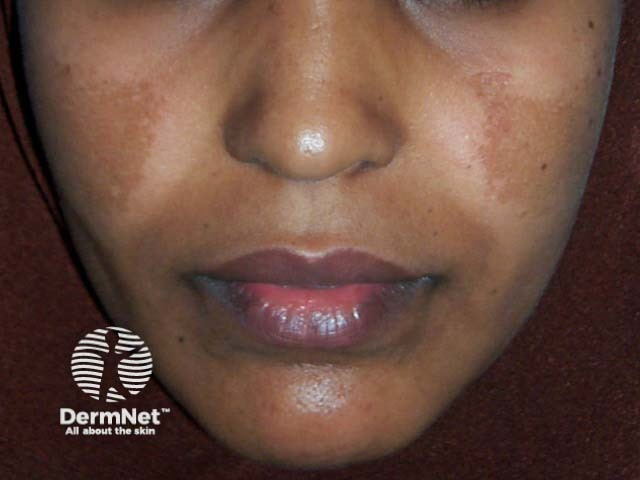
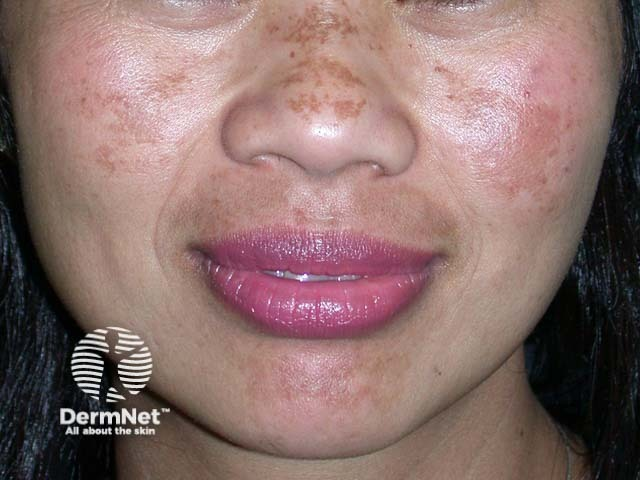
Melasma is a chronic skin condition that causes brown or greyish-brown patches, usually on the cheeks, forehead, nose bridge, upper lip, and chin. Unlike a sunspot or freckle, melasma tends to appear as larger, more symmetrical patches rather than small, isolated spots — and it's notorious for fading and then returning.
What Causes It?
Melasma develops when melanocytes — the pigment-producing cells in the skin — become overactive and deposit excess melanin in the skin. A few known triggers make this more likely:
- UV exposure — even everyday sun exposure, not just intense sunbathing, can trigger and worsen melasma
- Hormonal changes — pregnancy ("the mask of pregnancy"), hormonal contraceptives, and hormone therapy are all well-documented triggers
- Genetics — a family history of melasma increases individual risk
- Heat and visible light — not just UV; heat exposure and even visible light can contribute, which is part of why melasma is notoriously hard to fully prevent through sunscreen alone
- Skin inflammation — including irritation from harsh skincare or aggressive treatments, which can actually worsen melasma rather than help it

The Problem Society Doesn't Talk About Enough
Melasma disproportionately affects women, particularly those with more melanin-rich skin — which includes a large share of patients here in Malaysia. It's frequently described by dermatologists as a condition that's not just physically visible but genuinely psychologically distressing, since it sits on the face and doesn't respond to quick fixes.
That distress creates a vulnerable market. Frustrated patients, having tried multiple over-the-counter creams with no lasting result, become easy targets for products and "treatments" that promise fast, permanent removal — most of which either don't work, or actively make things worse (more on that below).
Why PicoWay®, and Why It's Different From Other Options
Melasma treatment options generally fall into two categories: things that suppress pigment production, and things that aim to remove existing pigment. Without removal of existing pigment, suppression treatment is just not gonna amount to anything. Similarly vice versa.
Genuine clinical research backs this up. In a study led by Dr. Eric Bernstein using the PicoWay® Resolve 1064nm handpiece, patients treated monthly showed a statistically significant reduction in melasma severity scores at both 3 and 8 months after treatment, with 90% patient satisfaction and no device-related adverse events. Broader literature review across multiple studies found 50-75% improvement in pigment clearance using PicoWay® across 3-9 sessions.
The reason picosecond technology tends to be safer for melasma specifically comes back to the same photoacoustic vs. photothermal difference we've written about before — melasma-prone skin is especially sensitive to heat and inflammation, which can trigger rebound pigmentation. PicoWay's shorter pulse minimizes that heat transfer, which is why it's positioned as a lower-risk removal option compared to older, more heat-heavy laser technology.
The Danger of Home Remedies and Unregulated Devices
This is where a lot of real harm happens, and it's worth being direct about it:
- Mercury-containing skin-lightening creams remain a serious, documented problem across Southeast Asia. Mercury can cause skin damage, discoloration, and in more severe cases, systemic toxicity affecting the kidneys and nervous system.
- Unregulated steroid creams, often sold without proper labelling, can cause skin thinning, stretch marks, visible blood vessels, and rebound pigmentation that's often worse than the original melasma once stopped.
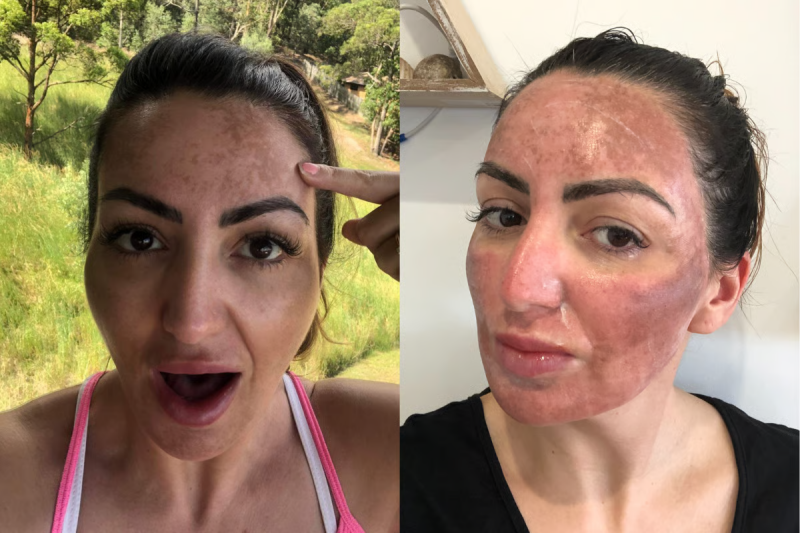
- DIY or home-use "laser" and IPL devices are frequently unregistered, poorly calibrated for melanin-rich skin, and can cause burns or post-inflammatory hyperpigmentation — the exact opposite of the intended result.
- Unlicensed salon "pico" treatments using counterfeit or unregistered devices carry real risk of scarring and worsened pigmentation, with no medical oversight if something goes wrong.
If a product or treatment promises fast, permanent melasma removal with no mention of sun protection, ongoing maintenance, or a licensed provider — that's a signal to be cautious, not excited.
FAQ
Is melasma permanent? Melasma is a chronic, recurring condition rather than a one-time problem. Treatment can significantly clear existing pigment, but ongoing sun protection is essential to prevent it from returning.
Can PicoWay® make melasma worse? When used with appropriate, conservative settings by an experienced provider, PicoWay's lower-heat mechanism is designed to minimize that risk — but any laser treatment used aggressively or incorrectly on melasma-prone skin can trigger a flare. This is exactly why provider experience matters as much as the device itself.
How many sessions does melasma treatment typically need? Clinical studies on PicoWay® for melasma commonly used around 4 monthly sessions, with continued improvement tracked out to 8 months. Individual treatment plans vary based on severity and skin response.
Do I still need sunscreen after treatment? Yes — every study and every dermatologist involved in melasma research is consistent on this point. Sunscreen isn't optional maintenance; it's part of the treatment itself.
Is melasma the same as sunspots or freckles? No. Sunspots and freckles are usually smaller, more clearly defined, and don't have the same hormonal component. Melasma tends to appear as larger, more diffuse patches and is more prone to recurrence.
Curious whether PicoWay® is right for your melasma? Book a consultation →
Create Your Own Website With Webador