

Why is "PICO" Being Slapped on Everything
If you've scrolled through beauty ads lately, you may have noticed "pico" showing up in some unexpected places — pico armpit whitening, pico hair removal, even pico serums and pico facials. Here's what the term actually means, and why most of these products have nothing to do with it.
"Pico" Is a Unit of Time, Not a Beauty Category
"Pico" comes from picosecond — one trillionth of a second. In the medical laser world, it refers specifically to the pulse duration of certain laser devices, like PicoWay®, that deliver energy in extremely short bursts. That specific, ultra-short pulse duration is what creates the photoacoustic (pressure-based) effect that makes genuine picosecond lasers effective for treating pigmentation, acne scars, and tattoos with less heat damage than older laser technology.
In other words: "pico" describes a real, measurable physical property of a laser pulse — not a marketing feeling of "advanced" or "gentle."

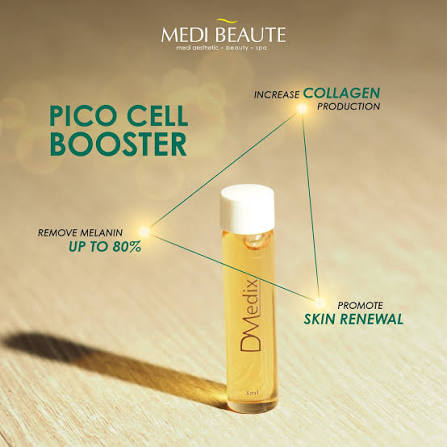
So What's Actually Happening With "Pico Serum" or "Pico Armpit Whitening"?
A serum can't have a pulse duration. Neither can most standalone "whitening" devices marketed for home or salon use. When "pico" gets attached to a product that isn't a registered picosecond laser system, it's almost always being used as a buzzword borrowed from the credibility of genuine laser technology — not describing anything the product actually does.
This matters for a simple reason: consumers reasonably assume "pico" means the same clinical-grade technology they've read about for pigmentation and tattoo removal. Attaching it to an underarm cream or a facial add-on package implies a level of technology and efficacy that a topical product or a non-laser device simply cannot deliver, regardless of what's printed on the packaging.
How to Tell the Difference
A few honest questions to ask before booking or buying anything marketed with "pico" in the name:
- Is it an actual laser device? If it's a cream, serum, or non-laser gadget, "pico" is describing nothing measurable.
- Is the device registered? In Malaysia, genuine medical laser devices must be registered with the Medical Device Authority (MDA). You can check any device's registration status yourself on the official MMDR (Malaysia Medical Device Register).
- Is it being administered by a doctor? Any genuine picosecond laser treatment for pigmentation is a medical procedure, regulated under the Medical Act — not a service that should be offered at a beauty salon or spa without a licensed doctor involved.
- Does the provider explain the wavelength and mechanism? A clinic using a real picosecond device can tell you which wavelengths are being used and why (e.g., 1064nm, 532nm, 730nm) — vague "pico technology" branding without specifics is a red flag.
Why This Matters Beyond Marketing Semantics
This isn't just a pedantic distinction. Malaysia's beauty industry has seen real cases of consumers paying for treatments believing they're getting genuine advanced laser technology, only to discover afterward that no such device — or no licensed provider — was actually involved. Understanding what "pico" is actually supposed to mean is one small but genuinely useful piece of protecting yourself from that kind of misrepresentation.
Want to verify whether a treatment uses a genuine, registered picosecond laser? Ask us directly →
Create Your Own Website With Webador