

RM99 vs RM999 "Pico" Laser: What's Actually Different?
Scroll through enough beauty group-buy ads and you'll see it — "Pico Laser Facial, RM99" next to a genuine clinic charging RM800-1,500+ for what sounds like the same treatment. Is one of them ripping you off? Here's what actually explains the gap.

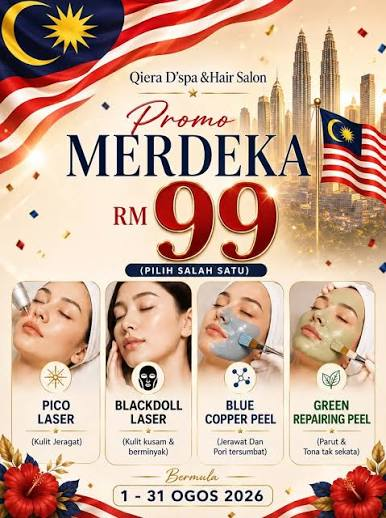
It's Rarely the Same Treatment
When the price difference is this extreme — not 20-30% cheaper, but a fraction of the cost — it's very unlikely you're comparing two versions of the same genuine treatment. A few things are usually happening:
1. It's not a real, registered picosecond device. A genuine medical-grade pico-second laser is a significant capital investment, and in Malaysia must be registered with the Medical Device Authority (MDA). Devices marketed as "pico" at bargain-bin prices are frequently unregistered, imitation, or repurposed machines that don't deliver true picosecond pulses — meaning the actual mechanism that makes real picosecond treatment effective (and safer) for pigmentation simply isn't there.
2. It's not being performed by a doctor. Genuine laser pigmentation treatment is a medical procedure under Malaysia's Medical Act, meant to be performed by a registered doctor who can assess your skin, choose correct settings, and manage any complications. RM99 group-buy deals are almost always administered by salon staff with no medical qualification — which also means no real accountability if something goes wrong.
3. The settings are deliberately weak — or wrong. Even where a real device is involved, ultra-cheap sessions are often run at minimal power to avoid visible side effects (and keep costs down), meaning you're paying for something closer to a light facial than an actual pigment-clearing treatment. In other cases, settings are pushed inappropriately to fake a dramatic result quickly — which is exactly how burns and hyperpigmentation happen on melanin-rich skin.
4. There's no real aftercare or safety net. A proper consultation, skin assessment, and follow-up plan are part of what genuine pricing actually covers. A RM99 deal typically has none of that — if you have a reaction, there's no doctor to call.
Advice from non affiliated doctors

What You're Actually Paying For at RM900+
It's worth breaking down honestly what legitimate pricing reflects:
- A registered, genuine medical device (a real capital and maintenance cost for the clinic)
- A doctor's assessment and clinical judgment on your specific skin and pigment type
- Correctly calibrated settings for your skin tone, to minimize risk of hyperpigmentation or scarring
- Proper aftercare guidance and follow-up
This isn't about a treatment being "premium" for the sake of it — it's the actual cost structure of doing this safely and correctly.
When Is a Lower Price Actually Fine?
To be fair, not every discount is a red flag. Legitimate clinics do run promotions or package pricing — the difference is usually ~10% off a transparent, verifiable base price, not a 90% discount into double digits. A useful gut-check: if a "pico" treatment is priced lower than a basic haircut, ask yourself what's actually being cut to make that possible.
How to Verify Before You Book — Regardless of Price
- Check the device. Ask what laser system is being used, and search it on Malaysia's official MMDR (Medical Device Register) to confirm it's genuinely registered.
- Ask who's performing it. A genuine laser pigmentation treatment should be performed or directly overseen by a registered doctor, not salon staff alone.
- Be wary of "unlimited sessions" or extreme group-buy pricing — this pattern shows up repeatedly in past Malaysian beauty-scam cases.
At the end of the day, RM99 and RM999 aren't really two prices for the same thing — they're usually two entirely different things wearing the same name.
Want to verify what device and process we actually use? Ask us directly →
This article is for general consumer education and does not name or reference any specific business.
Create Your Own Website With Webador